
INTERVIEW SERIES: Carving Career Pathways in The Arts, with Sotiris Sotiriou, Zoe Paulsen, Sebastian Goldspink & David Hagger
February, 2026
Arts careers are rarely linear. They’re cumulative, built project by project, shaped by people & unexpected turns. They take flexibility, openness & a willingness to keep growing, to collaborate & build meaningful relationships. You move between projects. Gather skills. Step into roles you didn’t know were possible. Progress comes through experience, not titles.
I spoke with 4 arts professionals across different disciplines about how they’ve carved their own path & what’s been pivotal in navigating the course. Their responses reflect the multitude of ways one might approach cultivating a valuable & sustainable career in the arts.
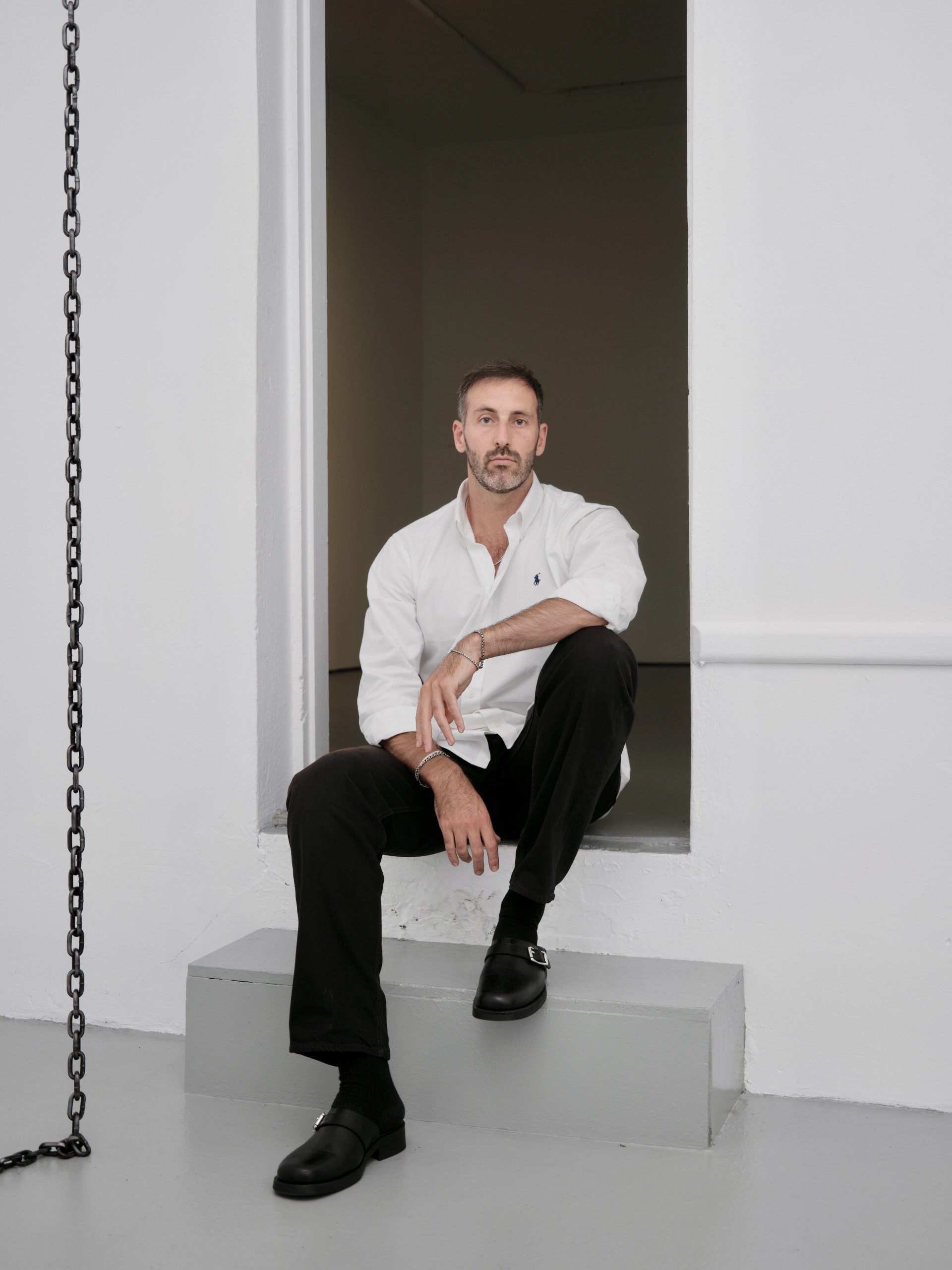
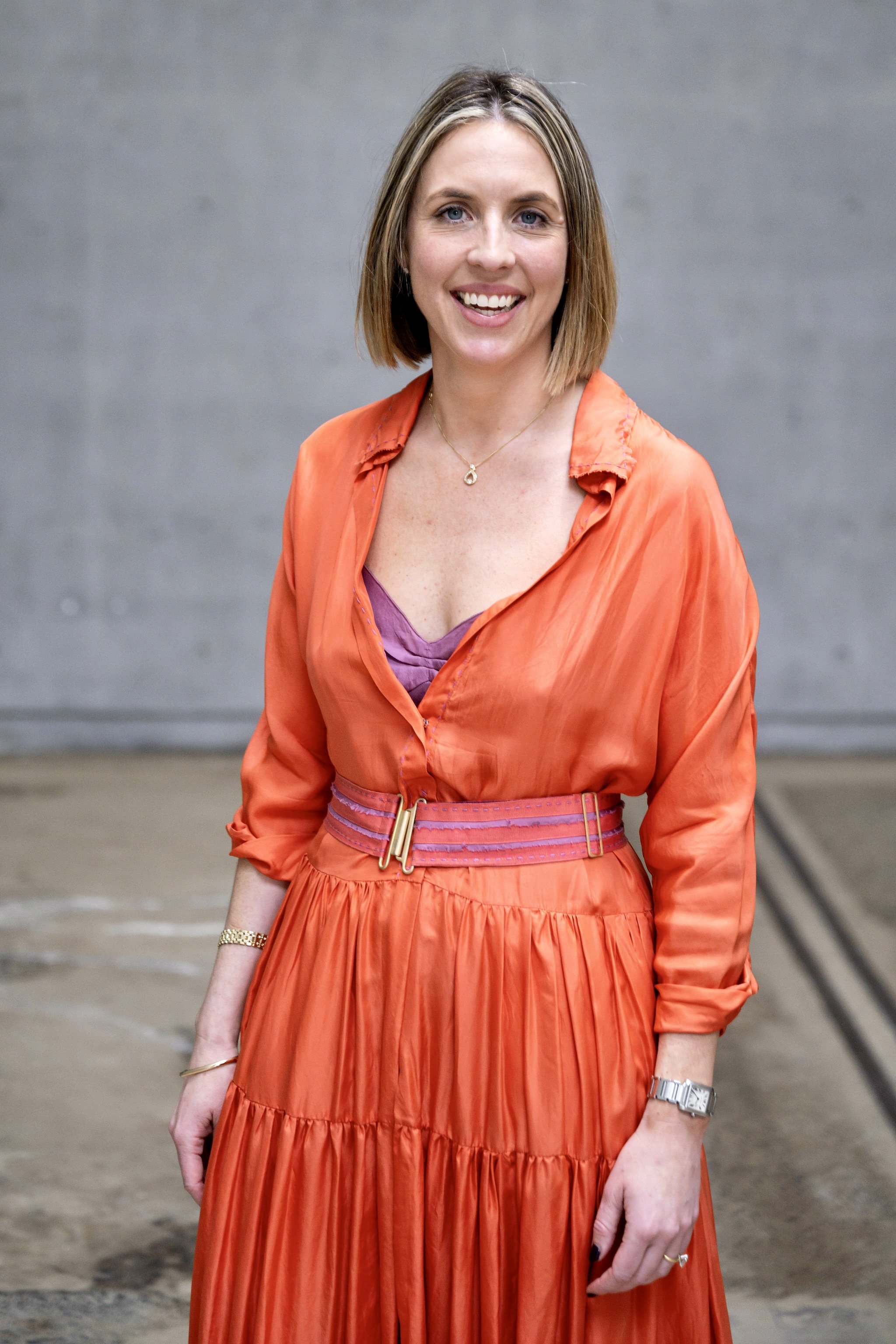
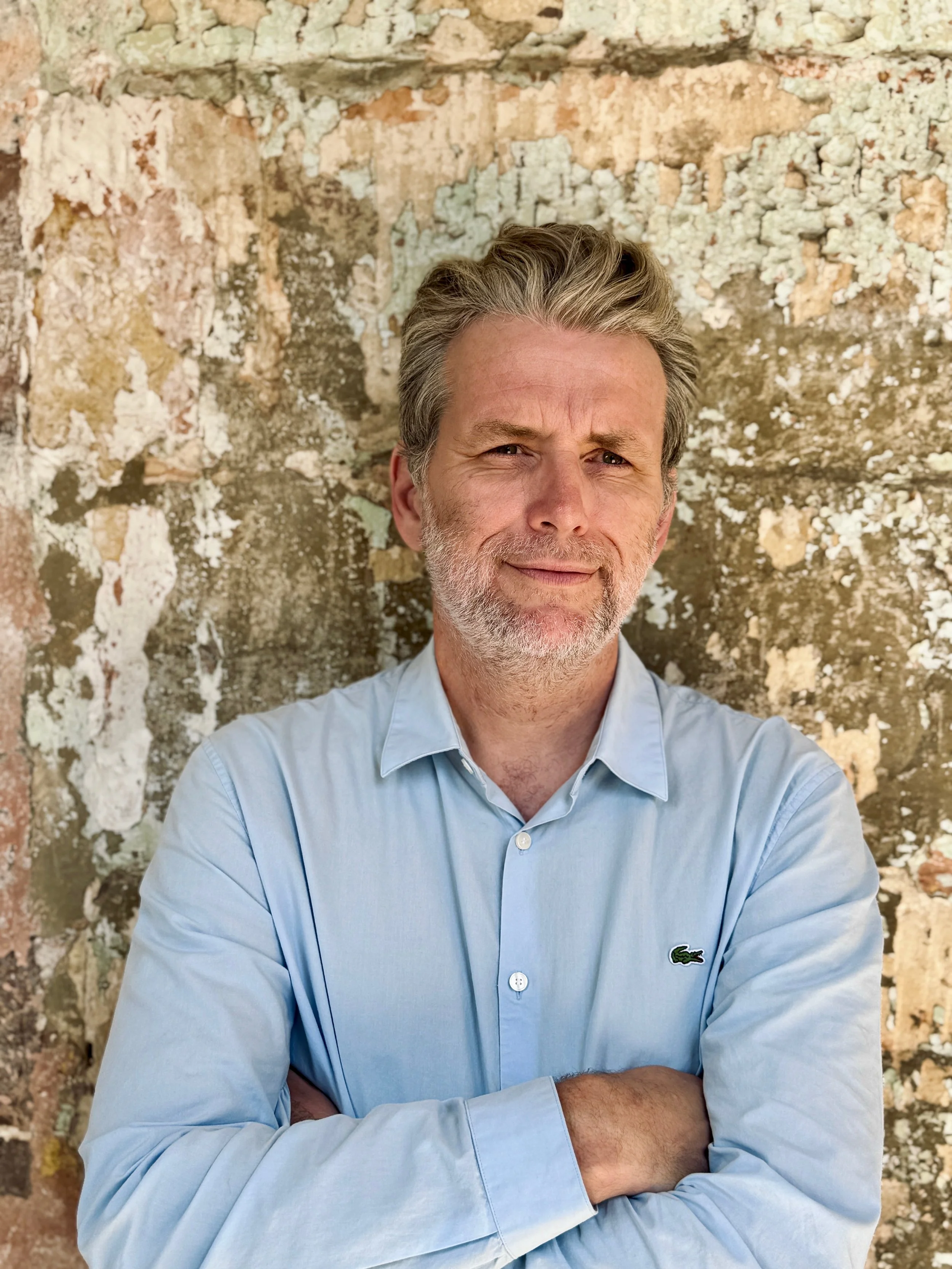
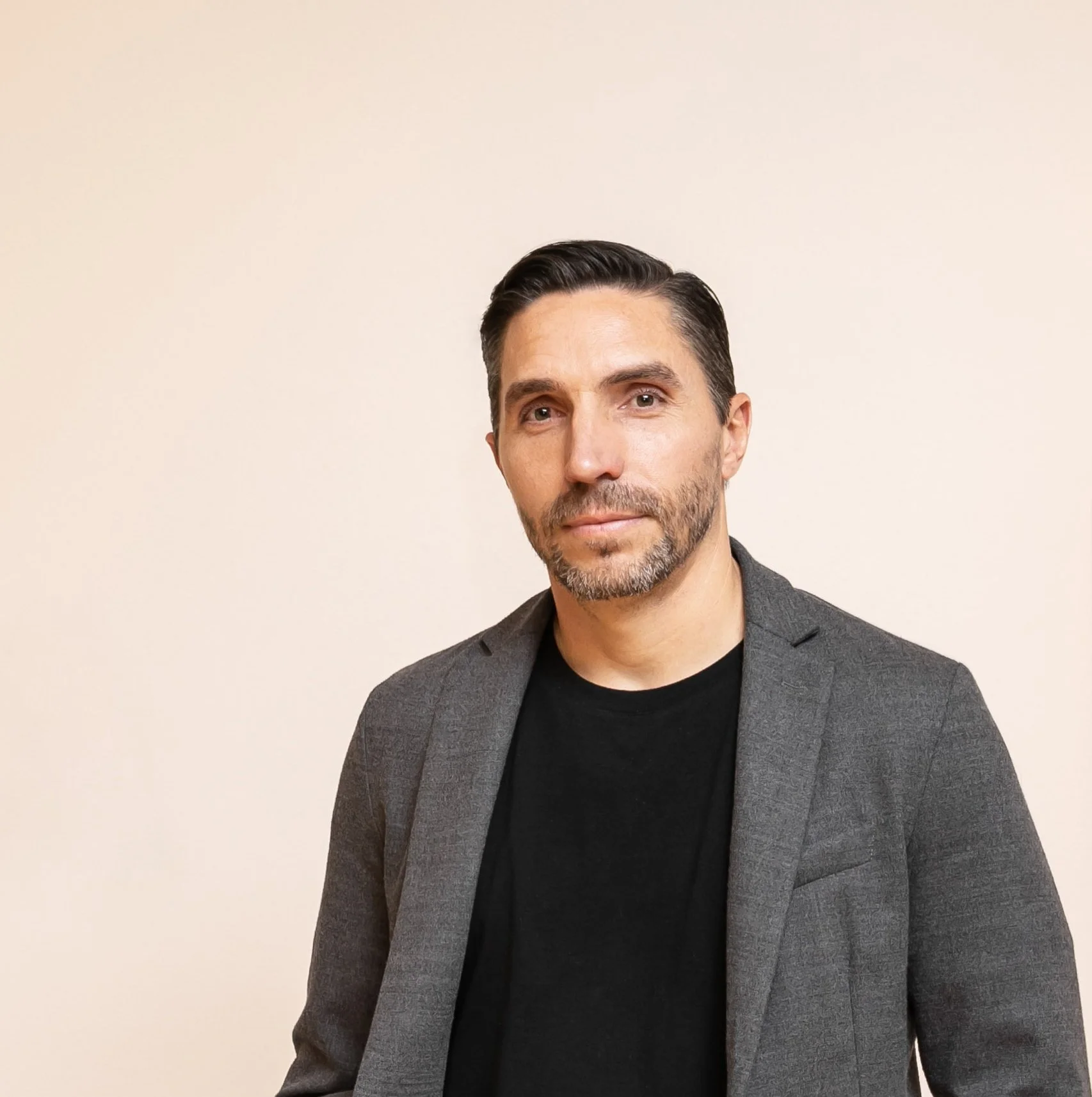
image credits: #1 Dean Qiulin Li, courtesy Sotiris Sotiriou, #2 courtesy Zoe Paulsen, #3 courtesy Sebastian Goldspink, #4 courtesy David Hagger. cover image: BresicWhitney, courtesy Sotiris SotiriouSOTIRIS SOTIRIOUS
Founder of COMA. Art Dealer, Gallerist, Curator
1. How would you briefly describe your role?
I’m the founder of COMA, a contemporary art gallery. I also work on private art consultancy. My role sits at the intersection of creative development and commercial reality, advocating for artists while building sustainable outcomes for them and the broader ecosystem around their work.
2. In your career path to date, what’s proven more significant: formal study, mentorship or experience?
Experience, without question, and a small degree of mentorship. I believe in testing theory quickly, then simplifying. There are also a number of people who’ve been very generous with their time over the years. This has had a lasting impact on my career.
3. If you chose to study formally, what qualifications did you undertake and what led you to make that decision?
I studied business and property management, led by my passion for the property market.
4. At the beginning of your career, did you have an ideal role in mind?
No, absolutely not. Flex is best.
5. Were there expectations you had about your career that turned out differently to reality, whether positive or negative?
Not that I can definitively pinpoint. My approach has always been: have an idea, do the work. The reality is variable. My expectations don’t change what needs to be done.
6. Has your role or career focus shifted over time or taken you in an unanticipated direction?
What began as hands-on gallery work has expanded into broader conversations around positioning, partnerships, and long-term career planning for artists. Natural extensions of what artists actually need and larger projects that demand more attention. Managing larger private collections also requires more time.
7. Do you believe finding a niche is important in the arts? If so, how did you find your niche?
Not necessarily important. Quality of work is more important. I found my niche because in Australia, I wasn’t able to see enough of what I most enjoyed seeing. Although as time goes by, my speciality will become less niche.
8. What motivates you and keeps you engaged? What inspires you?
What motivates you and keeps you engaged? What inspires you? New art is continually being made. Collectors are continually buying. The public has a continual need to see. This is energising.
ZOE PAULSEN
Fair Director, Sydney Contemporary; Board Member, Artspace; Committee Member, MCA Next
1. How would you briefly describe your role?
I work closely with our team and stakeholders to help shape the strategic and creative direction of Sydney Contemporary. My role sits at the intersection of artists, galleries, collectors, institutions and partners, supporting the delivery of a fair that’s both commercially strong and culturally relevant.
I’m involved across programming, partnerships, curatorial development and operations, with a focus on bringing people together, supporting our team, and ensuring the fair continues to evolve and grow.
2. In your career path to date, what’s proven more significant: formal study, mentorship or experience?
Experience - without question. Formal study gave me a framework for thinking critically, but it was hands-on experience: launching fairs, building events from scratch, managing teams and budgets that truly shaped my career. Mentorship has also been incredibly important. Being embedded in communities like MCA Next and working alongside established leaders in the arts has accelerated my growth more than any qualification alone could have.
3. If you chose to study formally, what qualifications did you undertake and what led you to make that decision?
I completed a Bachelor of Arts, Media and Communications at UNSW. At the time, I didn’t have a defined end goal - I simply knew I was drawn to storytelling, culture and communication.
That degree ultimately led me into advertising and TV production, where I developed the operational and relationship management skills that later became invaluable in the arts sector.
4. At the beginning of your career, did you have an ideal role in mind?
Not at all! I certainly didn’t imagine I’d one day be running an international art fair. My early career was in advertising. While I learned a lot, it didn’t feel like it was my long-term calling. If anything, I was driven more by curiosity than a clear title. I said yes to opportunities that felt aligned with my values, even when they didn’t form a perfectly linear path.
5. Were there expectations you had about your career that turned out differently to reality, whether positive or negative?
In the beginning, I expected career progression to be linear - step by step, increasingly senior roles, clear markers of “success.”
The reality’s been far more unpredictable: launching a street art festival, co-founding a national fundraising art initiative, working across different fair models, and becoming a mother in the middle of it all.
What I once might’ve seen as detours have actually been the most defining parts of my career. The non-linear path built resilience, adaptability, and a broader perspective.
6. Has your role or career focus shifted over time or taken you in an unanticipated direction?
Absolutely. If you’d asked me ten years ago where I’d end up, this wouldn’t have been the answer. My career has evolved through a series of opportunities that I said yes to - sometimes before I felt completely ready.
I didn’t set out with a master plan - I followed what felt meaningful and aligned. Over time, that’s led me from creative production into building platforms, leadership and thinking more strategically about impact. It’s been less about climbing a ladder and more about growing into responsibility. I’ve found that to be both unexpected and incredibly rewarding.
7. Do you believe finding a niche is important in the arts? If so, how did you find your niche?
Yes - but I think it reveals itself over time. For me, it came through experience and paying attention to what I naturally gravitated towards. I’ve found my place in helping shape and support platforms that connect artists and audiences, and in contributing to the infrastructure that allows artists and galleries to thrive.
Rather than setting out to find a niche, I followed what felt right at the time. As things became clearer, I was able to be more intentional in the choices I made.
8. What motivates you and keeps you engaged? What inspires you?
Feeling like I’m contributing to something bigger than myself is a big motivator. Being part of a passionate, supportive team and working towards shared goals keeps me energised and engaged.
I’m inspired by the sense of community around the arts - the relationships, the collaborations, and the collective effort it takes to make something meaningful happen. Seeing projects succeed, and knowing they create opportunities for artists and galleries is incredibly rewarding.
On a personal level, my children are a constant source of motivation. They remind me why balance, purpose and perseverance matter.
9. Are there specific aspects of a career in the arts you believe are afforded unwarranted emphasis? (eg having a qualification, studying overseas, post grad study)
There can be an overemphasis on credentials - postgraduate degrees, overseas study, or proximity to certain institutions.
While these experiences can be valuable, they aren’t the only pathway. The arts sector still relies heavily on initiative, relationship-building, and real-world delivery. Practical experience, curiosity, emotional intelligence and resilience are often more powerful than a line on a CV.
10. What’s one piece of advice you’d give professionals forging a path in the arts?
Stay curious and build genuine relationships. The arts sector is small and interconnected. Your reputation is everything. Be generous, reliable and willing to start anywhere.
Also - don’t wait for the “perfect” role. Often the opportunities that shape you most are the ones that feel slightly outside your comfort zone.
Are there any additional thoughts you’d like to share?
A career in the arts is rarely linear, though that’s not a weakness. The skills you develop in adjacent industries: advertising, communications, production, business, are incredibly transferable and can give you an edge.
You don’t need to choose between ambition and personal life. My career’s grown alongside motherhood and major life transitions. It hasn’t always been neat, but it’s been meaningful.
The arts need leaders with lived experience, adaptability and empathy. That diversity of perspective strengthens the entire sector.
SEBASTIAN GOLDSPINK
Curator
1. How would you briefly describe your role?
I’m a curator, a role involving many aspects. Different curators prioritise different things. I’m passionate about audiences and how exhibition making corresponds to writing, and the intersection of colonial and First Nations histories.
2. In your career path to date, what’s proven more significant: formal study, mentorship or experience?
Experience and mentorship. I never formally studied fine art or curation but came up working on the floor at the MCA (Museum of Contemporary Art) which was like the greatest art school of all time. Seeing how visitors interacted with exhibitions was very formative. In 2010 I started ALASKA Projects which was a project space where I could experiment and work with hundreds of artists. I think the most important thing for curators is to make shows: small or big - it doesn’t matter. You need to practice making decisions and considering the impact on audiences.
3. If you chose to study formally, what qualifications did you undertake and what led you to make that decision?
My only formal study was in literature which gave me a great framework to think about structure and rules. Great novels that defied convention and did things differently were really interesting to me. This playing with the form informed my curatorial thinking.
4. At the beginning of your career, did you have an ideal role in mind?
I only ever wanted to be a curator.
5. Were there expectations you had about your career that turned out differently to reality, whether positive or negative?
Because I had the opportunity to see curators working, I got a clear understanding of their worlds. I chose a different path from being an institutional curator, and in the absence of formal study in the field I really had to feel my way through it by doing. I’m still thrilled that I get to do what I do.
6. Has your role or career focus shifted over time or taken you in an unanticipated direction?
Essentially, I’m an exhibition maker. That’s what I do. The biggest change is that now I get to help younger curators and try to pass on some wisdom.
7. Do you believe finding a niche is important in the arts? If so, how did you find your niche?
It's everything. You need to work out in time what you value and what you’re interested in. Then you need to work hard and keep your eyes and ears open. You also need to dream and be unreasonable. Push and fight.
8. What motivates you and keeps you engaged? What inspires you?
Artists and their world view. Film, writing, beauty and pathos.
9. Are there specific aspects of a career in the arts you believe are afforded unwarranted emphasis? (eg having a qualification, studying overseas, post grad study)
I measure curators by their shows as opposed to their qualifications or work history.
10. What’s one piece of advice you’d give professionals forging a path in the arts?
Be passionate and work hard. Be brave, ask questions and be a part of your artist community.
DAVID HAGGER
Founder and Director of HAGGER: a curatorial, consultancy and project management platform
1. How would you briefly describe your role?
This always proves to be a stumbling block for me when asked, perhaps because it continues to evolve, but more so because I offer various services. I don’t have one defined role. Put simply, I’m a conduit between artist and stakeholder.
2. In your career path to date, what’s proven more significant: formal study, mentorship or experience?
Experience. Experience in working with artists, private and public institutions, fellow curators, colleagues, clients and commissioning bodies. Experience in the learnings from parallel industries through designers, architects, fabricators, engineers and builders.
3. If you chose to study formally, what qualifications did you undertake and what led you to make that decision?
I studied design at Curtin University in Perth in the ‘90s. I was toying with architecture or fine art, but during a course interview with the school of design, I felt I’d landed in a happy medium. I was completely incorrect of course.
4. At the beginning of your career, did you have an ideal role in mind?
Absolutely not. Right up until I graduated university, I’d never left Western Australia. My primary goal upon completion was to travel, so I set off for 24 months buying one way flights to wherever I fancied at the time. It was a gloriously free and life changing period. After returning, I relocated to Sydney and worked in the finance industry for a few years. A good friend of mine who owned an art gallery then offered me a position. I hadn’t thought where that might lead me other than to be immersed in a sector I was actually passionate about.
5. Were there expectations you had about your career that turned out differently to reality, whether positive or negative?
In the first instance I didn’t really have expectations, a stark admission of how naive I actually was: a lack of knowledge about the industry, its operations and complexities. I carried a passion for the arts, but I wasn’t sure what to do with it or how, so I fumbled my way through. With the astute guidance of a few key people I found a path that felt genuinely engaging.
6. Has your role or career focus shifted over time or taken you in an unanticipated direction?
It continues to, year on year, largely due to the people I work with and people I meet in the process. I worry about that ceasing to occur.
7. Do you believe finding a niche is important in the arts? If so, how did you find your niche?
Thinking more holistically, and without sounding crass, we aren’t reinventing the wheel. What we’re doing is seeking opportunities where we feel we can contribute: where we can offer service, experience or outcome, be it for a moment or a period of time. I believe we all have our own language in the way we operate, and perhaps that’s the real niche component.
8. What motivates you and keeps you engaged? What inspires you?
Creative minds inspire me. I’m fortunate to live vicariously through them and feel privileged to work with them.